
Food Costs and Accessibility

Let’s Talk… Food Costs and Accessibility
Building a More Affordable and Accessible Food System in California
May 12, 2026
One of the places where Californians feel the rising prices of the affordability crisis most acutely is at the grocery store checkout line.
From fresh produce grown at farms right down the road to everyday pantry staples, food prices continue to climb, driven by federal supply chain disruptions, the higher cost of gas, corporate profit-seeking, and the ongoing sense of economic uncertainty. While many of these factors are outside of California's direct control, our state has an opportunity and a responsibility to act where it can.
NextGen is supporting two bills – AB 2213 (Lee), the California Healthy Food Financing Initiative and AB 1857 (Aguiar-Curry), the Grocery Store Access Act, which will help to address the growing issues of food access and food affordability in the state. These two complementary bills offer a pragmatic, forward-looking approach to tackling food affordability and increasing access to fresh food, especially for Californians living in food deserts.
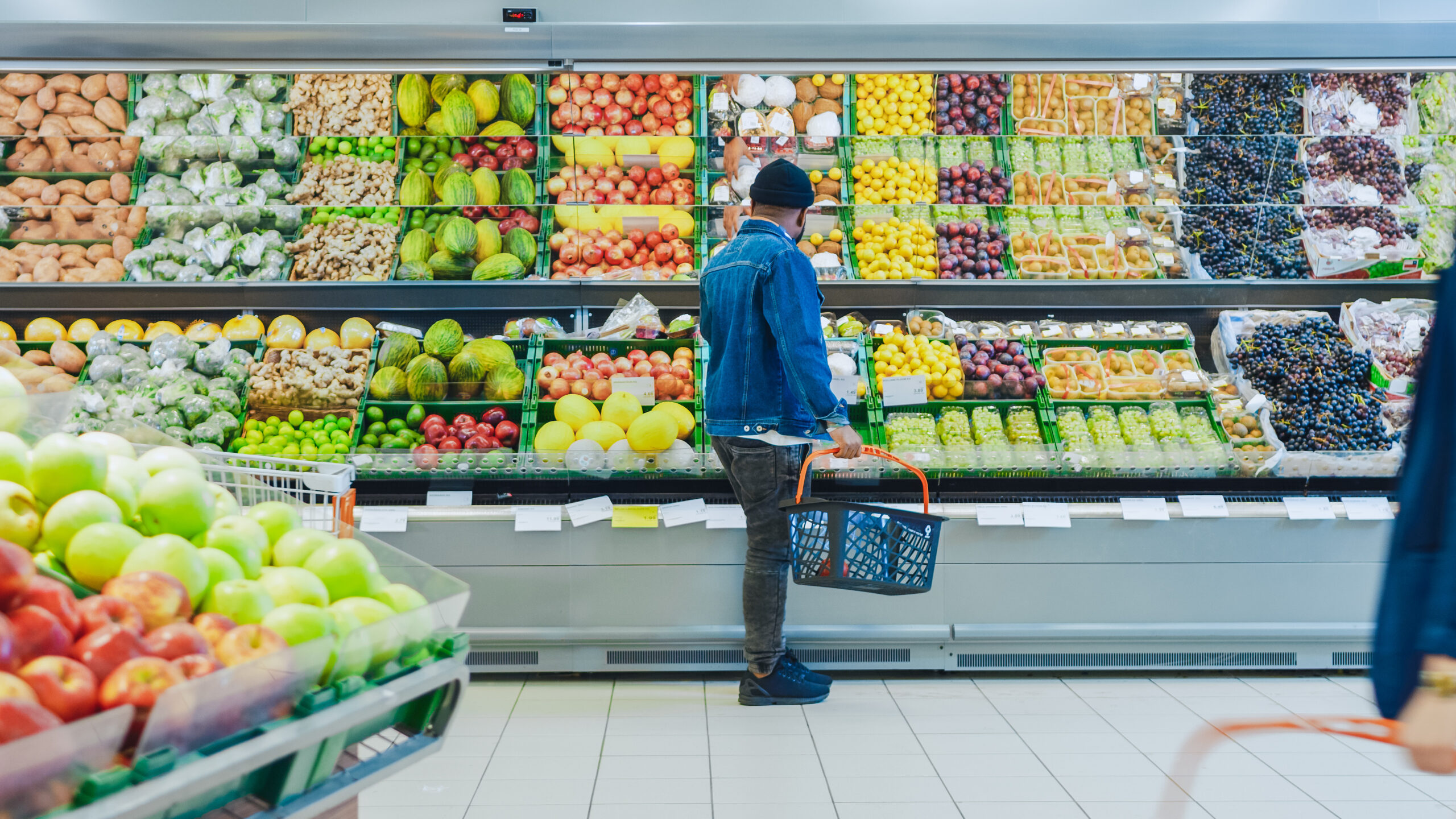
The Problem: High Prices, Limited Access, and Anti-Competitive Practices
For millions of Californians, accessing affordable, healthy food is a daily challenge. An estimated 3 million California residents live in communities without reliable access to fresh produce, forcing many families to rely on convenience stores or fast food because full-service grocery stores are too far away or simply do not exist nearby. The result is a system where families often pay more for healthy options, contributing to higher rates of diet-related disease and placing even greater financial strain on households already struggling with rising costs.
These inequities are not accidental. Low-income communities, rural and tribal areas, and majority Black and Brown neighborhoods are far more likely to not have full-service grocery stores and are much more likely to face higher prices and reduced consumer choice. Historic redlining, racial segregation, and decades of disinvestment continue to shape where grocery retailers choose to locate.
At the same time, recent federal actions will deepen food insecurity even further. H.R. 1 cuts to the CalFresh program, which currently serves 5.5 million Californians, will strip hundreds of thousands of Californians of critical food assistance support, worsening hunger and economic instability across the state.
But affordability and access are also being shaped by corporate practices that limit competition and block new investment in underserved communities.
Small and mid-sized grocers, often the businesses best positioned to serve communities overlooked by larger chains, face significant barriers to opening or expanding their stores. One major obstacle is the use of restrictive covenants: contractual provisions attached to property deeds or leases that prevent another grocery store from opening in a location previously occupied by a supermarket – even years after the original retailer has left. For instance, a Safeway in Vallejo closed its doors and made it so no other grocery store could move in for 15 years, leaving the community without a grocery store.
These agreements function as anti-competitive tools that allow large grocery store chains to block potential competitors, keep viable retail spaces vacant, and limit consumer choice. The result is fewer grocery options, higher prices, and reduced access to fresh food in the communities that need it most.
At a time when Californians are already struggling with rising grocery costs, California cannot allow corporate practices to continue to create food deserts, preventing communities from having direct access to affordable, healthy food.

The Solution: Invest in Local Food Infrastructure And Remove Barriers to Access
California must invest in local food system infrastructure and remove barriers that prevent communities from accessing healthy, affordable food.
AB 2213 (Lee) would re-establish the California Healthy Food Financing Initiative (CHFFI), a proven model used under the Obama Administration and in other states to support and help fund the siting of grocery stores, food hubs, farmers’ markets, and other healthy food retailers in underserved areas. By providing grants and financing tools, the CHFFI could help bring new stores to communities that need them the most, while supporting existing retailers as well.
AB 1857 (Aguiar-Curry) focuses specifically on expanding grocery store access by ending the ability for grocery stores to use restrictive covenants in California. The bill aims to reduce barriers to entry and support the development of new stores in areas currently lacking reliable access to fresh, affordable food.
Together, these bills recognize that access and affordability are deeply connected.
When communities have more grocery options, competition increases, consumer choice expands, and prices are more likely to stabilize. At the same time, investments in local and regional food systems help shorten supply chains, strengthen local economies, and improve resilience against national and international disruptions that continue to drive up costs.
This is not just about opening more stores. It is about rebuilding local food infrastructure in communities that have experienced decades of intentional disinvestment and exclusion.
A Smarter, Long-Term Approach to Ending Hunger
California has made great progress as well as major investments in the fight to reduce hunger, from expanding CalFresh access to providing more funding to food banks to implementing universal School Meals for All. But, we can always do more such as: targeting specific food insecure populations, uplifting the best practices of successful programs, and looking for ways to administratively streamline processes.
To that end, NextGen is also co-sponsoring SB 961 (Ashby), The CalFresh for Students Act, which will build on California’s progress in the food assistance arena by making it easier for college students to access CalFresh benefits. The bill expands eligibility and creates a direct pathway to connect students who may be food insecure with the food assistance benefits they are eligible to receive.
AB 2213 and AB 1857 offer long-term strategies that address the challenges of lowering barriers to healthy food access while increasing competition and investment in underserved communities.
At a time when Californians are paying more at the grocery store and too many neighborhoods still lack reliable access to fresh food, the state has an opportunity to confront both corporate practices that limit competition and the structural inequities that created food deserts in the first place.
By investing in local food systems and expanding grocery access, California can take meaningful steps toward lowering food costs, strengthening communities, and ensuring every family has access to healthy, affordable food.
Thanks for reading,
Tiffany Germain
