
Institutional Debt

Let’s Talk… Institutional Debt
California's Hidden Student Debt Crisis
April 29, 2026
If you've been following NextGen’s work for the last year or so, you probably remember us talking about institutional debt and our efforts to advance AB 1160 (Pacheco) — the Protecting Students from Creditor Colleges Act – through the legislative process. We put together a large coalition and a strong advocacy campaign in our effort to get AB 1160 to the Governor’s desk. But the bill did not make it across the finish line during the 2024 legislative session and neither did a follow-up bill, AB 850 (Pacheco), in 2025. Just because these two bills stalled out in the legislative process does not mean that the impacts of institutional debt also just vanished – there are still hundreds of thousands of students who are carrying this type of debt and it is quietly derailing their educational pursuits and future aspirations.
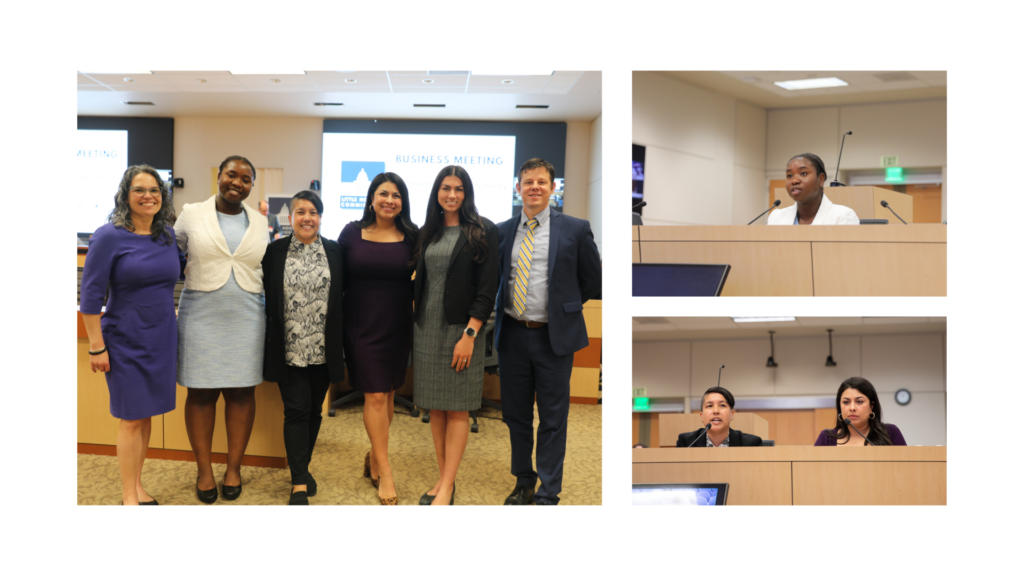
Institutional debt rarely makes headlines the way the $1.7 trillion federal student loan crisis does, but the NextGen team is doing its part to ensure that this type of student debt also receives the attention it deserves. To that end, on March 26th, after learning about the issue of institutional debt, the Little Hoover Commission convened a public hearing on the subject and NextGen was invited to testify along with several policy experts, affected students, and the higher education segments.
What Is Institutional Debt?
Institutional debt is money a student owes directly to their college or university, not the federal government nor a student loan servicer – think accumulated library, parking, or meal plan fees. Institutional debt is not debt that a student planned on incurring nor planned on not repaying.
A number of researchers, using a limited data pool, have found that the most frequent source and largest amounts of institutional debt are associated with policies related to unforeseen circumstances that require the repayment of federal Pell Grants. For example, if a student receives a federal Pell Grant and then due to a family emergency or illness has to withdraw from classes mid-semester, federal law requires that the school return the aid that student received. The school then goes after the student to return or repay these funds. As a result, grant money that was supposed to be free and help support that student's education suddenly becomes a debt they owe directly to their college or university. Unlike federal student loans, this debt comes with zero consumer protections, inconsistent repayment options, and serious consequences. Students who find themselves in this situation are generally the most financially in need, are often forced to drop out of college, and are at high risk of having their credit scores negatively impacted.
Additionally, students with institutional debt face limited options to rectify the situation and are subject to harsh debt collection practices from their colleges and universities, including: enrollment holds, diploma withholding, third-party debt collector referrals, and tax refund garnishment through the state Franchise Tax Board's Interagency Intercept Collection Program. Think about a student-parent who has to drop out mid-semester because their spouse is ill or a first-generation student who loses their job and cannot pay rent. Life happens and when it does, this is the unsympathetic system that awaits these students.
In California, it is estimated that over 750,000 low-income students hold more than $390 million in institutional debt – numbers that exploded during the COVID-19 pandemic and have not come back down. Institutional debt hits the students who can least afford it the hardest: low-income students, students of color, student-parents, and first-generation college students. Academic research has found if colleges re-enrolled just 33% of the students currently locked out due to institutional debt holds it would generate $215 million in tuition and fees annually. Moreover, schools can earn 500% more by getting students back in the classroom than they ever will through third-party debt collections.
What Happened at the Little Hoover Commission
The Little Hoover Commission is a bipartisan oversight agency in state government – it is referred to as an independent voice for government reform. When the Little Hoover Commission decides to review an issue, they consult policy experts, conduct public hearings, engage everyday Californians who may be affected, and then they ultimately send a set of policy recommendations directly to the Governor and Legislature.
The Commission was made aware of the issue of institutional debt in part because Assemblymember Pacheco and the Campaign for California Borrowers' Rights coalition sent them a letter describing its impacts and urging them to undertake a comprehensive review. The hearing they conducted also came on the heels of a recent investigation that found that over 40 California public colleges and universities still included transcript withholding policies on their websites, a practice the Legislature outlawed back in 2019.
The Little Hoover Commission hearing brought together a powerful lineup of voices, including Assemblymember Pacheco, Aissa Canchola Bañez from Protect Borrowers, Professor Charlie Eaton from UC Merced whose "Creditor Colleges" research helped put this crisis on the map, Professor Dalié Jiménez from UC Irvine's Student Loan Law Initiative, Stephany Cartney, a UCLA alumna who shared her experience with institutional debt firsthand, and NextGen California's own Legislative Director and Policy Advisor, Samantha Seng.
Professor Eaton stated, "If a student has institutional debt and they have a debt collector calling them, it gets much harder to re-enroll them." This was a sentiment that resonated with the commissioners, as Commissioner Beier declared, "We should be talking about preventing students from becoming debtors, not how to better collect debt from them."
You can watch the full hearing here and read our ICYMI press release.
Where We Go From Here
The Little Hoover Commission’s review of this issue is currently underway and their final report and recommendations to the Governor and Legislature should be forthcoming in the next few months. That report and its set of recommendations will help the NextGen team set the table for what will happen to address this issue during the next Legislative session. In our testimony, we urged the Commission to call for real consumer protections – an end to enrollment holds as a debt collection tactic, no more diploma withholding, no more use of third-party debt collectors, and no tax return garnishments. We also suggested more in the way of reporting and transparency requirements for the colleges and universities, so that the public can see how much institutional debt students are carrying at each campus across the state. These policy recommendations mirror the same basic statutory consumer protections that exist in almost every other debt related area of state law.
The NGP team and our coalition members eagerly await the release of the Commission's institutional debt report and are looking forward to advancing another bill and/or budget request to address this issue in the upcoming legislative session.
Stay connected with us at @NextGen_Policy and sign up for our newsletter to keep up with this issue as it develops as well as opportunities to join the fight as there will be another opportunity for public comment to the Little Hoover Commission If institutional debt has affected you or someone you know, please reach out. Student stories are some of the most powerful tools we have in this fight to ensure higher education policy is student-centered.
Thanks for reading,
McKenna Mustazza
